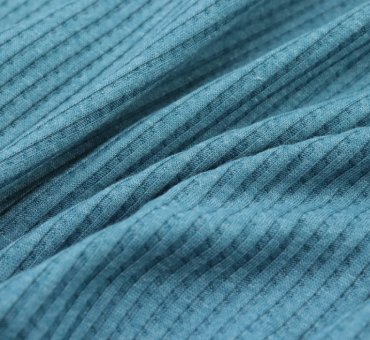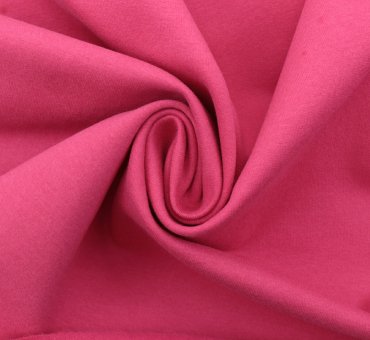


Circular knitted fabric is produced using a circular knitting machine, which differs from flat knitting by creating a continuous tube of fabric rather than flat sheets. This seamless structure makes it ideal for close-fitting and stretchable garments. Circular knitting machines are available in various diameters and gauge sizes, enabling manufacturers to produce fabrics of different weights, textures, and finishes. Popular types of circular knits include single jersey, rib, interlock, and double jersey, each with unique properties suited to specific uses in fashion and performance wear.
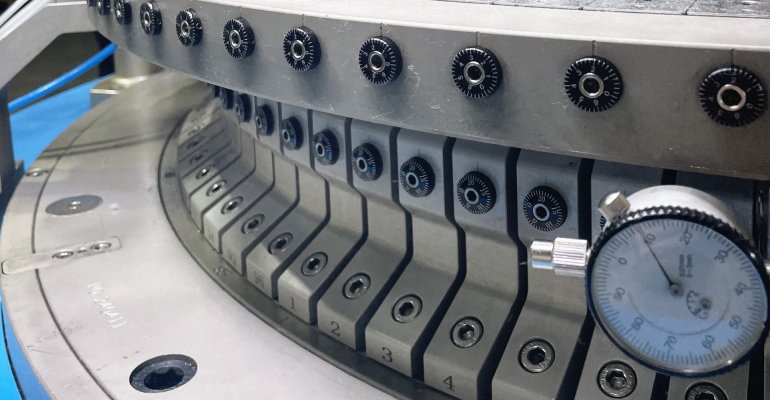
One of the key advantages of circular knitted fabric is its exceptional stretch and comfort, making it perfect for body-hugging garments such as T-shirts, leggings, and underwear. Its seamless structure results in more comfortable, smooth-fitting garments with a better aesthetic finish. In terms of manufacturing, circular knitting machines offer cost efficiency through high-speed production and reduced labor, making it ideal for bulk production. The fabric is also highly adaptable, allowing for easy dyeing, printing, and finishing, which opens up endless design possibilities for brands and designers. Moreover, its looped knit structure enhances breathability and softness, making it a preferred choice for warm-weather clothing and comfortable daily wear.
The global demand for circular knitted fabric is growing steadily, fueled by the rising popularity of fashion and activewear that emphasize comfort and performance. Market research indicates that this growth trend is expected to continue, especially as consumers seek more adaptable and wearable textiles. The apparel industry remains the largest consumer of circular knits, with key products including T-shirts, dresses, activewear, and intimate wear. Additionally, the fabric is widely used in home textiles like bed sheets, pillow covers, and sofa upholstery, as well as in technical textiles such as medical garments and automotive seat covers. Regionally, the Asia Pacific region led by China, India, and Bangladesh dominates the market in terms of production and export capabilities. Meanwhile, Europe and North America are driving demand for sustainable and high-performance fabrics, pushing innovation in circular knit production. Overall, circular knitted fabric continues to gain traction as a reliable, cost-effective, and consumer-friendly option across multiple textile sectors.